
Ana Sayfa / Haberler / Sektör Haberleri / Su Pompası Motor Statoru ve Rotor Çekirdeği, yoğun çalışma sırasında optimum sıcaklık dengesini korumak için sıvı veya hava soğutmalı muhafazalar gibi soğutma sistemleriyle nasıl etkileşime girer?
Su Pompası Motor Statoru ve Rotor Çekirdeği, yoğun çalışma sırasında optimum sıcaklık dengesini korumak için sıvı veya hava soğutmalı muhafazalar gibi soğutma sistemleriyle nasıl etkileşime girer?
-
Termal Transfer Verimliliği ve Isı Dağıtım Dinamiği :
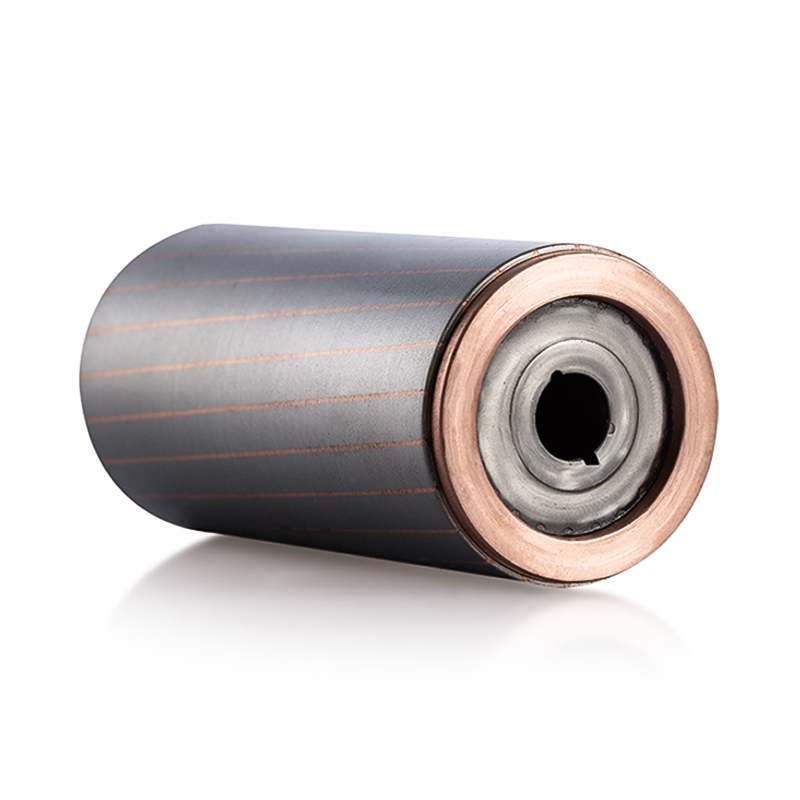
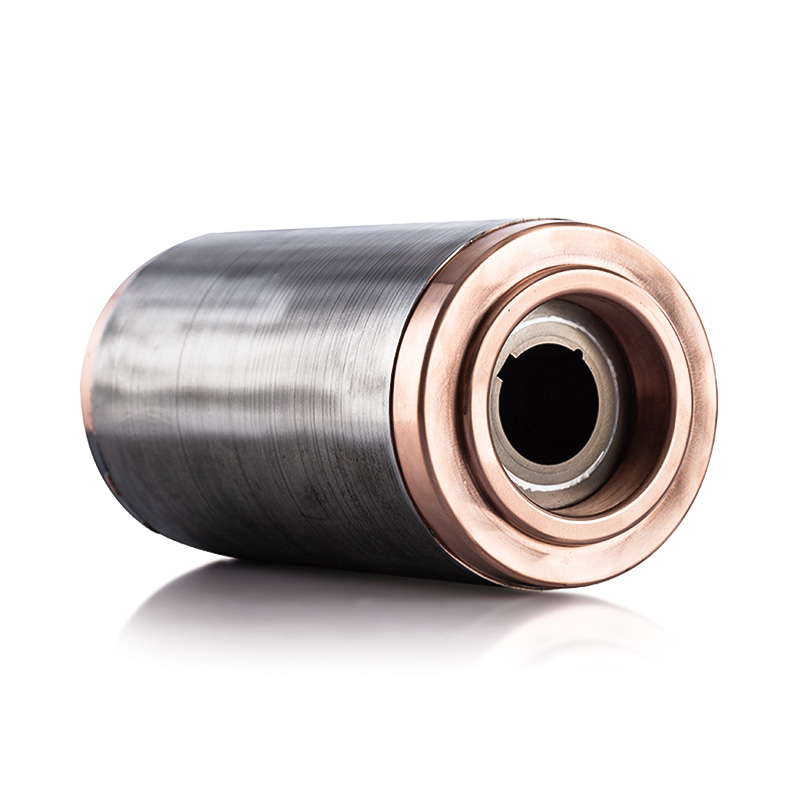
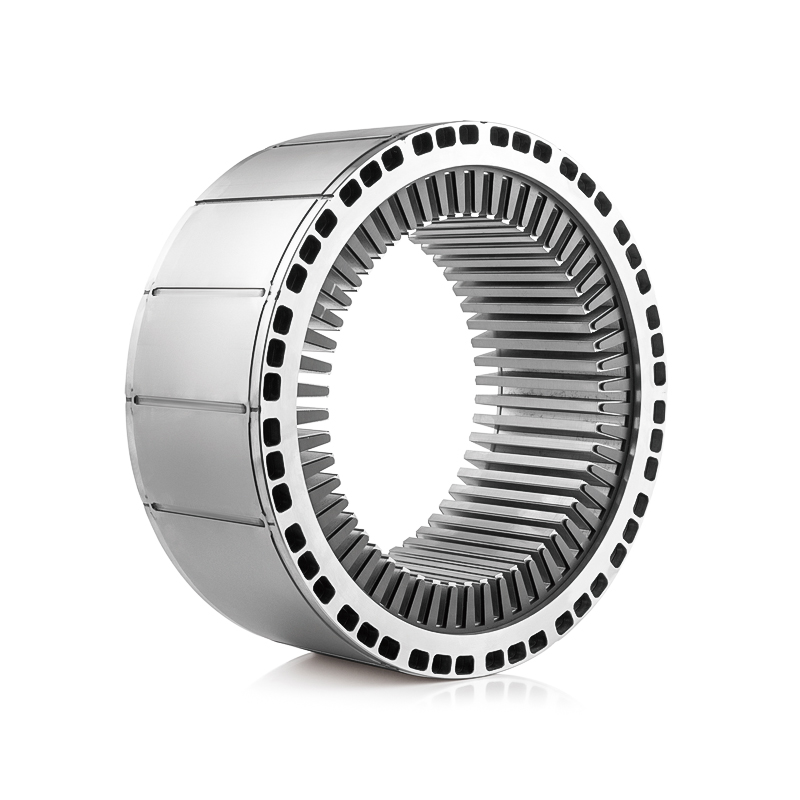
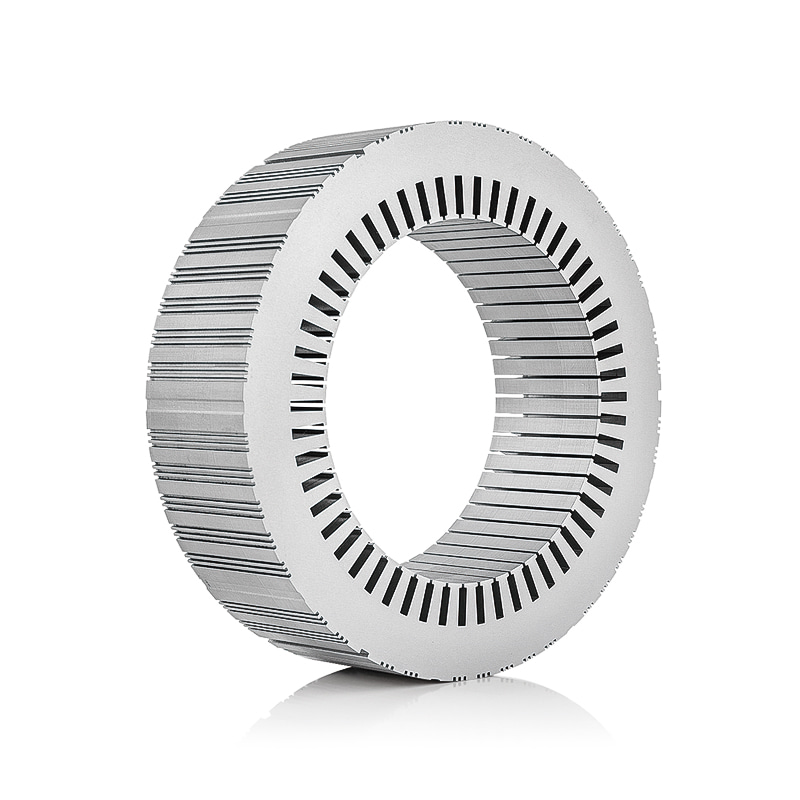
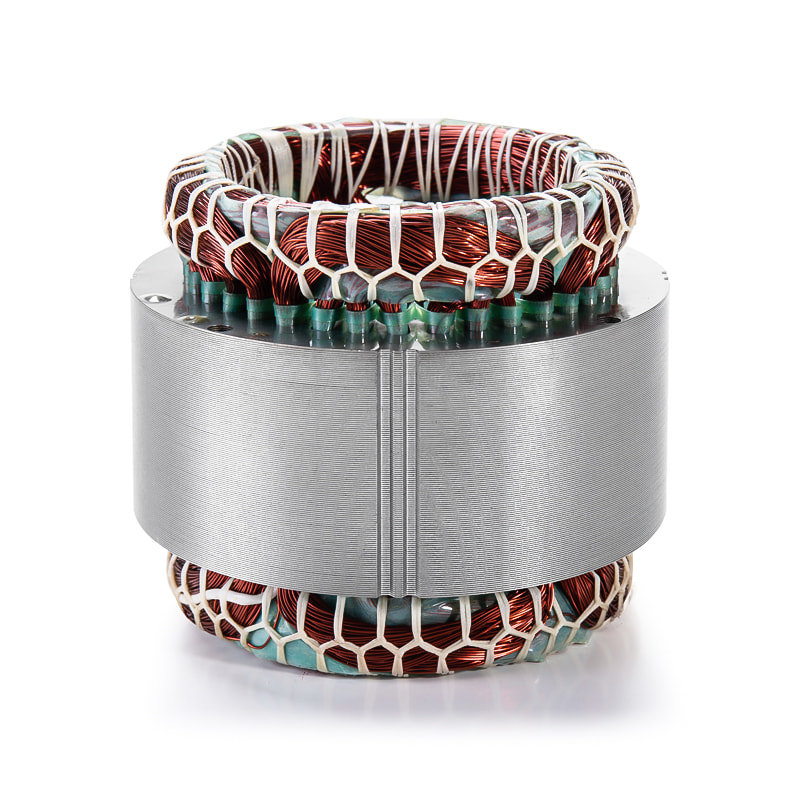
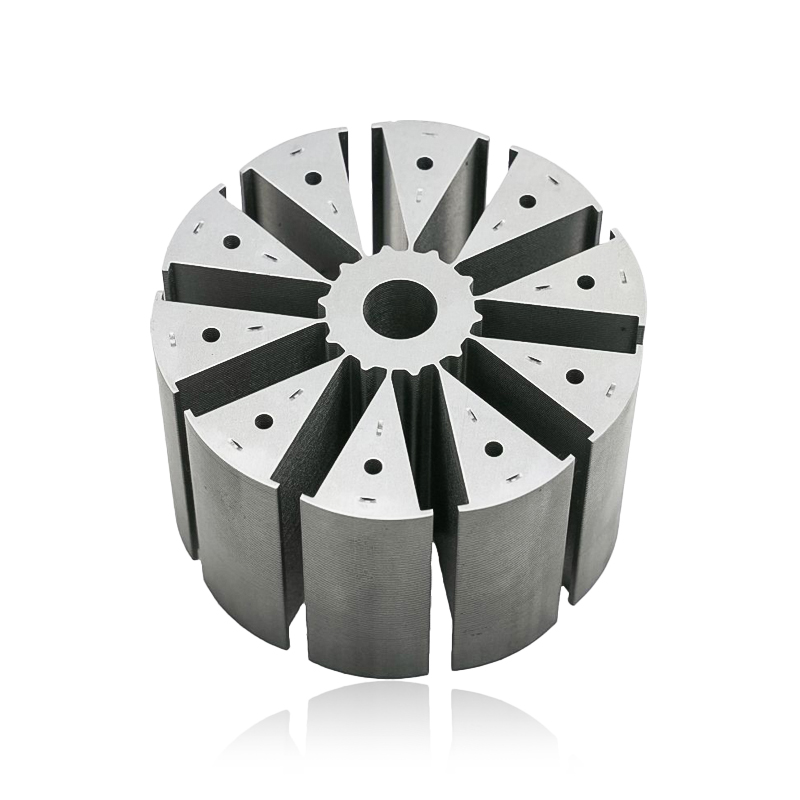
Su Pompası Motor Statoru ve Rotor Çekirdeği Manyetik alanın uyarılması ve akım akışı sırasında üretilen ısıya sürekli olarak maruz kalırlar. Manyetikliğin giderilmesini veya yalıtımın bozulmasını önlemek için verimli ısı dağıtımı önemlidir. Çekirdekler, üstün termal iletkenliğe sahip yüksek kaliteli lamine silikon çelikten oluşur ve manyetik devreden hızlı ısı aktarımı sağlar. Sıvı soğutmalı bir mahfazayla eşleştirildiğinde, soğutma sıvısı, yüksek sıcaklık bölgelerine doğrudan temas eden entegre kanallardan akar ve eşit termal dağıtım sağlar. Hava soğutmalı sistemlerde, optimize edilmiş havalandırma yollarının ve ısıyı dağıtan kanatçıkların eklenmesi, stator ve rotor tertibatı etrafındaki hava akışının en üst düzeye çıkarılmasına yardımcı olur. Sonuç, termal sıcak noktaları önleyen ve motorun düzgün manyetik performansını koruyan kontrollü bir sıcaklık değişimidir. -
Soğutma Yollarının Tasarımı ve Mühendisliği :
layout of the cooling system determines how effectively the Water Pump Motor Stator and Rotor Core can maintain stable operating temperatures. In liquid-cooled designs, internal cooling jackets or spiral channels are positioned close to the stator windings and rotor shaft to ensure efficient convection and minimize heat accumulation. Advanced computational fluid dynamics (CFD) modeling is often employed to simulate flow velocity, turbulence, and temperature gradients within these channels. For air-cooled configurations, engineered fan systems or forced ventilation ducts are designed to direct air evenly across the stator slots and rotor periphery, reducing localized heating and maintaining consistent motor torque. The overall goal of both designs is to preserve the electromagnetic balance and reduce mechanical strain caused by temperature variations. -
Malzeme Uyumluluğu ve Termal Genleşme Koordinasyonu :
interaction between the Water Pump Motor Stator and Rotor Core and the cooling system materials must account for differences in thermal expansion. The motor components, including laminations, copper windings, and insulation layers, expand at varying rates under heat. Improper management of these differences can lead to mechanical stress, misalignment, or even cracking. Engineers use precise material selection and dimensional tolerances to ensure that all parts expand uniformly under operational temperatures. Thermal interface materials (TIMs) and specialized adhesives with high thermal conductivity but low expansion coefficients are used between the stator core and cooling surfaces to facilitate consistent contact and reduce vibration-related heat buildup. This balance prevents mechanical deformation and ensures the rotor’s concentric alignment with the stator bore remains intact throughout operation. -
Elektromanyetik ve Manyetik Akı Kararlılığının Korunması :
magnetic efficiency of the Water Pump Motor Stator and Rotor Core is directly affected by temperature. As temperature increases, magnetic permeability may decrease, resulting in reduced flux density and lower torque output. An effective cooling system stabilizes these thermal conditions, allowing magnetic domains to maintain consistent alignment. This stability translates to uniform torque generation, reduced electrical losses, and minimal rotor imbalance. Modern insulation coatings on stator laminations help reduce eddy current losses by maintaining electrical isolation even under elevated temperatures, further supporting electromagnetic efficiency. -
Gelişmiş Termal İzleme ve Kontrol Sistemleri ile Entegrasyon :
Su Pompası Motor Statoru ve Rotor Çekirdeğinin güvenilirliğini artırmak için çağdaş motor sistemleri, termal sensörleri ve kontrol elektroniklerini stator sargıları ve mahfazası içine entegre eder. Bu sensörler sıcaklığı birden fazla noktada sürekli olarak izleyerek verileri gerçek zamanlı bir kontrol algoritmasına besler. Aşırı ısı tespit edildiğinde sistem, termal dengeyi yeniden sağlamak için soğutma sıvısı akış hızını veya fan hızını artırarak soğutma yoğunluğunu otomatik olarak ayarlar. Yüksek performanslı uygulamalarda tahmine dayalı termal kontrol algoritmaları, yük koşullarına bağlı olarak potansiyel aşırı ısınma eğilimlerini tahmin edebilir ve soğutmayı proaktif bir şekilde ayarlayabilir. Bu akıllı geri bildirim döngüsü, enerji israfı veya gereksiz mekanik aşınma olmadan tutarlı performans sağlar.
Önceki makale
Jeneratör Motor Statoru ve Rotor Çekirdeğindeki dişlerin ve yuvaların geometrisi manyetik akı dağılımını ve tork çıkışını nasıl etkiler?
sonraki makale
Raylı Transit Motor Statoru ve Rotor Çekirdeğinin, raylı toplu taşıma motor sistemlerinde gürültü ve titreşimi azaltmada nasıl bir etkisi vardır?
İlgili Haberler
-
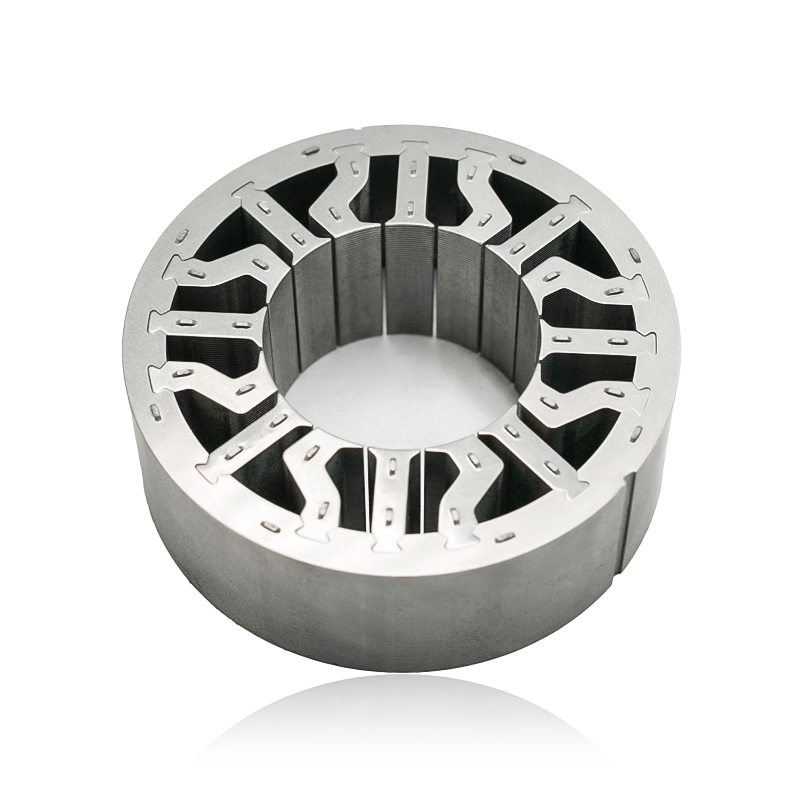
Nedir? Statveya ve Rotor Çekirdekleri ? Stator Çekirdekleri bir stator çekirdeği bu sabit bir elektrik motorunun bileşeni. İçinden elektrik akımı geçtiğinde manyetik alan...
See Details -
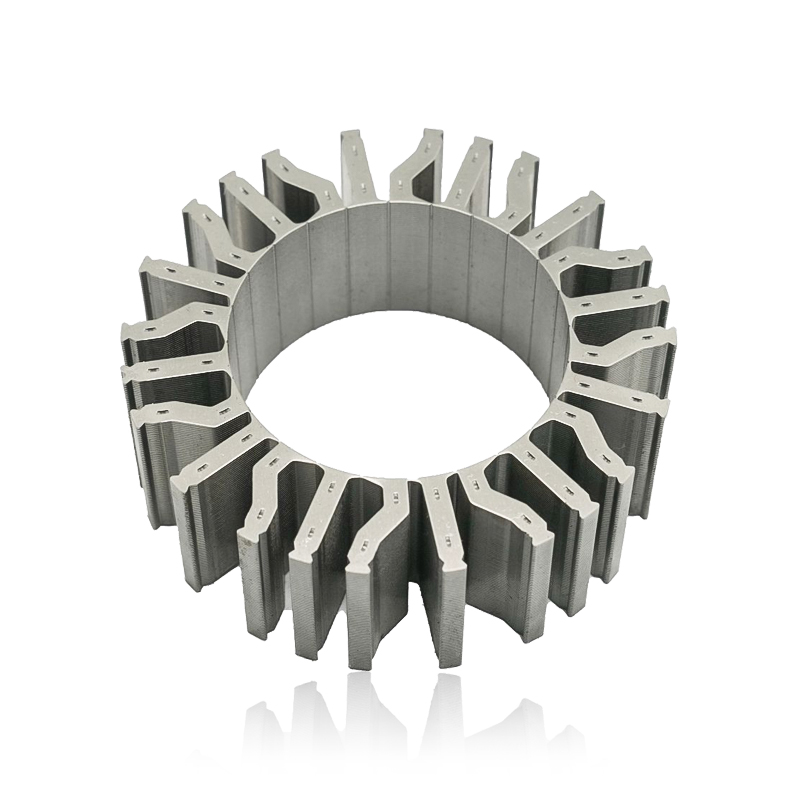
Giriş Modern otomobil karmaşık bir makinedir ve evrimi, her bileşenindeki sürekli inovasyonla yönlendirilmiştir. İçten yanmalı motorlar bir yüzyılı aşkın bir süredir sektöre hakim olsa da, elekt...
See Details -
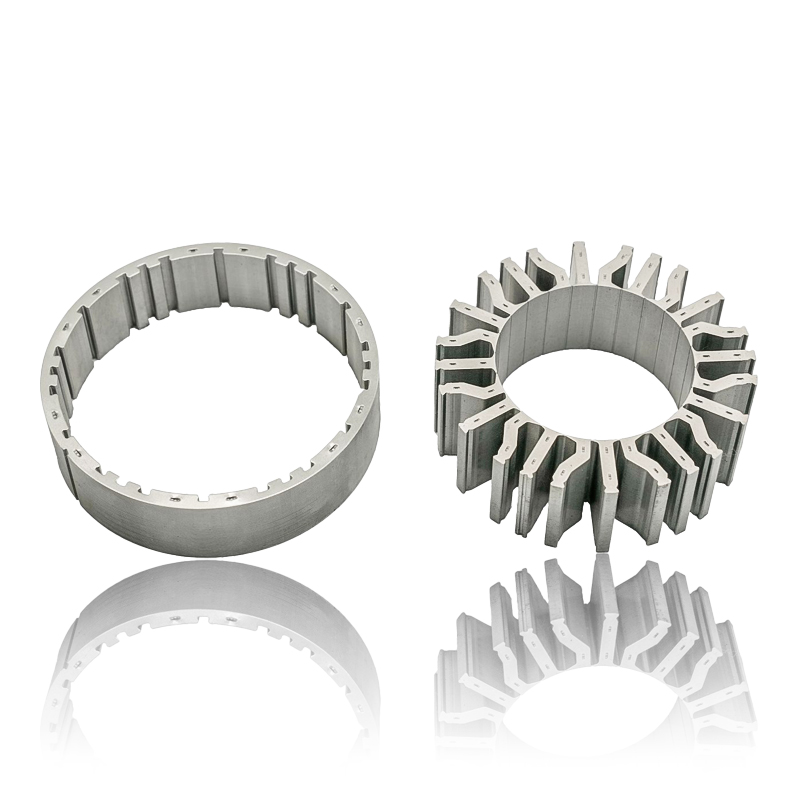
Elektrikli Araç Motveyalarında Rotveya ve Statveya Çekirdeklerinde Malzeme Seçiminin Önemi Elektrikli araç (EV) motorlarının tasarımında malzeme seçimi, motorun performansını, verimliliğini, ağı...
See Details -
Otomotiv motveya statoru ve rotor çekirdeklerinin tanıtılması Elektrikli araçların ve hibrit elektrikli araçların artan popülaritesi, otomotiv teknolojisinde önemli ilerlemeleri de beraberi...
See Details